The world of online casinos is in constant flux, with new games and trends emerging at a dizzying pace. Among the most captivating of these innovations are crash games. Titles like Aviator, with its iconic soaring plane, and others with similarly adrenaline-pumping themes, have exploded in popularity. These games are not just a flash in the pan; they represent a significant shift in how people are experiencing online gambling. Their presence is increasingly felt across major online casino platforms, attracting a new wave of players seeking instant thrills and potentially lucrative payouts. But what exactly is fueling this meteoric rise? What is it about crash games that has captured the attention of so many? This article delves into the heart of the crash game phenomenon, exploring the key factors that contribute to their widespread appeal and solidifying their place in the online gambling landscape.
What are Crash Games? A Quick Overview
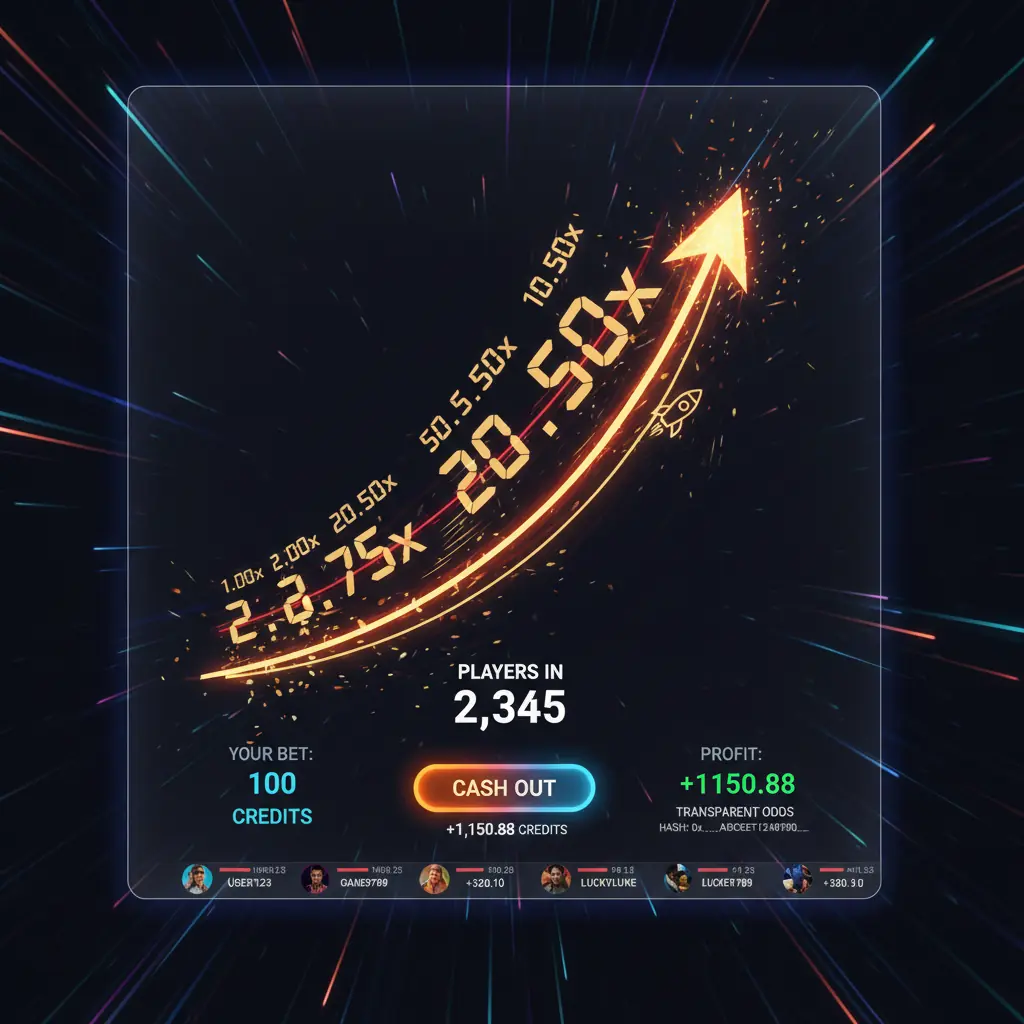
Crash games have taken the online gaming world by storm, and for good reason. Their appeal lies in their simplicity and the potential for quick wins. The core mechanic is easy to grasp: players watch a multiplier climb, and the goal is to cash out before the inevitable “crash.”
Here’s how it works. A game starts, and a multiplier begins to increase, often starting at 1x. As the multiplier rises, so does the potential payout. Players place bets before the round begins and then strategically decide when to cash out. The longer you stay in, the higher the multiplier and the bigger the potential reward. However, if you wait too long, the game can “crash” at any moment, and you lose your stake.
The element of risk and reward is what makes crash games so engaging. It’s a constant balancing act between greed and caution. Many crash games use a provably fair system using random number generators (RNG). This cryptographic technology allows players to independently verify the fairness of each game round, ensuring that the outcome is truly random and not manipulated by the platform.
The straightforward rules and the potential for significant returns make crash games accessible to both experienced and novice players. It’s all about anticipating the crash and making the right decision at the right time.
The Psychological Thrill: Decoding the Appeal
Crash games possess a magnetic pull, captivating players with their deceptively simple premise. The core of their addictive nature lies deep within the intricacies of human psychology. Several key factors intertwine to create an experience that is both exhilarating and, for some, dangerously compelling. It’s a potent cocktail of risk, reward, and the tantalizing possibility of instant riches.
At the heart of the crash game experience is the age-old dance between risk and reward. The inherent volatility of the game, the ever-present threat of the “crash,” serves to heighten the sense of anticipation. Every moment the multiplier climbs fuels the excitement, creating a thrill akin to a rollercoaster ride. This rush is further amplified by the very real potential for financial gain, however fleeting it may be.
Adding to the allure is the insidious fear of missing out, or FOMO. As players watch the multiplier steadily increase, they are constantly bombarded with the thought that they could cash out at any moment and secure a significant win. Yet, the temptation to hold on just a little longer, to chase an even greater reward, often proves too strong to resist. This internal conflict, driven by FOMO, can lead players to make impulsive decisions, overriding rational judgment in pursuit of potentially elusive profits. Coupled with this is often the illusion of control. Players may develop strategies or follow patterns, believing they can predict or influence the outcome of the game. This belief, of course, is largely unfounded, as crash games are fundamentally based on random number generation. However, this perceived control can further deepen engagement, making players feel more invested in the outcome and more likely to continue playing, even in the face of losses.
Underlying all these factors is the powerful influence of dopamine, a neurotransmitter associated with pleasure and reward. When a player cashes out successfully, and the multiplier is high, the brain floods with dopamine creating a surge of euphoria. This reinforces the behavior, making players more likely to repeat the experience in the hope of recreating that rush. Even near misses can trigger a dopamine release, albeit a smaller one, further fueling the desire to keep playing.
The Allure of Instant Gratification
In today’s fast-paced world, instant gratification has become a highly sought-after commodity. Crash games cater perfectly to this desire, offering a quick and easy way to potentially win money. Unlike traditional casino games that require lengthy sessions and complex strategies, crash games provide immediate results. The short rounds allow players to experience the thrill of victory (or the agony of defeat) in a matter of seconds, appealing to those with limited time or attention spans. The ability to instantly see the outcome of their bet, coupled with the possibility of a large payout, makes crash games incredibly appealing to those seeking immediate rewards.
The Near-Miss Effect and Variable Rewards
The ‘near-miss’ effect is a psychological phenomenon that plays a crucial role in sustaining engagement with crash games. When a player cashes out just before the crash, or the game crashes just before they were about to cash out, they experience a near-miss. This creates a sense of frustration and a strong desire to try again, believing that they were “so close” to winning. This near-miss fuels the illusion that success is just around the corner, motivating players to keep playing despite their losses. Furthermore, crash games often employ variable reward schedules. The size and frequency of payouts are unpredictable, creating a sense of anticipation and excitement. This variability keeps players engaged, as they never know when the next big win might occur. This combination of the near-miss effect and variable rewards can create a powerful addictive loop, driving sustained engagement and potentially leading to problematic gambling behavior.
Speed and Simplicity: The TikTok of Gambling
Crash games, with their rapid-fire rounds and straightforward premise, share a striking resemblance to the addictive world of short-form video platforms like TikTok. This isn’t accidental; both capitalize on the modern user’s desire for instant gratification and easily digestible content.
The core similarity lies in the pacing. Just as TikTok delivers a constant stream of bite-sized videos, crash games offer incredibly quick betting cycles. Results are immediate – a win or a loss displayed in seconds – fueling a continuous loop of anticipation and reward. This fast-paced nature mirrors the ever-scrolling, never-ending feed that defines the TikTok experience. The player is constantly engaged, drawn into the next round before they’ve even fully processed the previous one.
Furthermore, the simplicity of both formats contributes to their widespread appeal. TikTok’s user-friendly interface and the ease of creating content lowered the barrier to entry, attracting a massive audience. Similarly, crash games eliminate complex rules and strategic depth, offering a pure, unadulterated gamble that anyone can understand and participate in. The combination of speed, simplicity, and continuous engagement creates a powerful recipe for capturing and holding attention, making crash games the “TikTok” of the gambling world.
Community and Social Interaction: More Than Just a Game
Crash games offer more than just a solitary betting experience; they foster a vibrant sense of community. Unlike traditional slot machines, which are typically played alone, crash games incorporate social elements that enhance the overall player experience.
A key component of this community is the live chat feature, commonly found alongside the game interface. This allows players to communicate in real-time, sharing their excitement, strategies, and even commiserating over near misses. This constant interaction creates a feeling of camaraderie, as players feel connected to others who understand the thrill and risk involved.
Furthermore, the real-time visibility of other players’ bets and cash-out decisions contributes to this shared experience. Seeing when others choose to cash out, and the multipliers they achieve, adds an extra layer of excitement and strategy to the game. It transforms the game from an individual pursuit into a collective journey, where players are both competing and sharing the experience with one another.
Crash Games vs. Traditional Casino Games: A Comparison
Crash games represent a significant departure from traditional online casino offerings like slots and table games. The most noticeable difference lies in the gameplay itself. Traditional online slots are largely passive; players spin the reels and wait for the outcome. Table games, such as blackjack or roulette, involve more strategy but still follow established rules and predictable patterns. Crash games, on the other hand, demand active participation. Players must strategically decide when to “cash out” before the multiplier crashes, introducing a element of skill and real-time decision-making that’s absent in many traditional formats. This active engagement contributes to a heightened sense of excitement and control.
Risk level also sets crash games apart. While all casino games involve risk, crash games often present a more immediate and potentially volatile experience. The multiplier can increase rapidly, tempting players to hold out for bigger wins, but the risk of crashing increases simultaneously. RTP (Return to Player) and volatility can vary across both crash games and traditional games, but the perceived risk in crash games often feels higher due to the dynamic nature of the gameplay.
The user interface and design philosophy further differentiate these game types. Crash games often feature minimalist interfaces, focusing on the multiplier graph and cash-out button. This streamlined approach contrasts with the more elaborate visuals and thematic elements commonly found in online slots. Because of less sophisticated graphics, crash games can be played faster than high-resolution online slots.
Demographic Differences and Preferences
Crash games tend to resonate strongly with a younger demographic, and there are several reasons why. This generation, often digital natives, is comfortable with fast-paced, interactive experiences. The immediate feedback and sense of control offered by crash games align well with their preferences. This tech-savvy demographic generally has familiarity with cryptocurrencies, which are frequently used in crash games. Older players are often more comfortable with well-known, proven and traditional formats, and may find the gameplay loop of a Crash game too stressful.

The Future of Crash Games: Trends and Innovations
The trajectory of crash games points toward a thrilling evolution, fueled by technological advancements and a hunger for engaging experiences. Their initial surge in popularity was undeniably linked to the rise of crypto casinos and the inherent transparency offered by blockchain technology. This foundation of provably fair gameplay is now becoming a launchpad for even more radical innovation.
Looking ahead, expect to see crash games increasingly embrace gamification elements. Leaderboards, personalized challenges, and tiered reward systems will likely become commonplace, injecting a sense of progression and competition. Imagine earning badges for strategic betting or unlocking exclusive features based on your in-game accomplishments.
Virtual Reality (VR) integration is another exciting possibility. Imagine standing at the edge of a virtual cliff, watching the multiplier climb before your very eyes and making split-second decisions in a truly immersive environment. This level of engagement could redefine the entire crash game experience.
Furthermore, anticipate innovative bonus features that add layers of complexity and excitement. Perhaps multipliers that fluctuate based on real-world events, or mini-games that trigger during the crash sequence. The possibilities are endless.
Ultimately, the future of crash games lies in pushing the boundaries of game design and leveraging cutting-edge technology to deliver unparalleled levels of excitement, transparency, and player engagement. It’s a landscape ripe with potential, promising a thrilling ride for both developers and players alike.
Responsible Gaming: Navigating the Risks
Crash games, with their fast-paced action and potential for quick wins, can be incredibly enticing. However, it is crucial to acknowledge the potential risks involved. The very nature of these games, with their ever-increasing multipliers, can lead to overspending and, for some, even gambling addiction. The thrill of the chase, the desire to win back losses, and the allure of “just one more game” can quickly spiral out of control.
Responsible gaming is paramount to enjoying crash games safely. A vital first step is setting a budget and sticking to it. Determine how much you can afford to lose before you even start playing, and never exceed that amount. Treat this expenditure as entertainment cost, not as an investment. Time limits are equally important. Decide how long you will play and adhere to that limit, avoiding long sessions that can impair decision-making.
Be aware of the signs of problem gambling. These include chasing losses, neglecting responsibilities, borrowing money to gamble, and feeling anxious or irritable when not gambling. If you recognize these signs in yourself or someone you know, seek help immediately. Many resources are available, including self-exclusion programs that prevent you from accessing gambling sites. Remember, responsible gaming is about maintaining control and ensuring that crash games remain a source of entertainment, not a source of harm. Prioritize awareness and enjoy the thrill responsibly.
Conclusion
In summary, the popularity of crash games hinges on a potent combination of psychological engagement, social dynamics, and groundbreaking gameplay mechanics. The inherent risk-reward system taps into primal instincts, while the shared experience fosters a sense of community among players. This, coupled with the rapid-fire action and innovative features, sets crash games apart from traditional online casino offerings.
Looking ahead, crash games are poised to maintain a significant presence in the constantly evolving online casino landscape. Their ability to captivate and connect players suggests a bright future, solidifying their status as a staple in the digital entertainment realm.